The vision of robotic machines has been around for decades and has presented in different settings from demonstrators in industrial shopfloors to science fiction movies. With the rise of Artificial Intelligence (AI) an increased number of robots in being developed, deployed and operated in real-life applications. In recent years, the industrial world is getting ready to meet the next generation of robots. The latter comprise and integrate industrial arms, agile mobile platforms, humanoids, and cobots that work safely at our side. These components are converging into a new era of human?robot collaboration and physical AI. They are set to enable a new wave of industrial transformation that will accelerate workforce transformation, reshape the future of work, and redefine how businesses design processes, workplaces, and jobs.??
From Industrial Robots to Cobots and Humanoids that Enter Business Operations
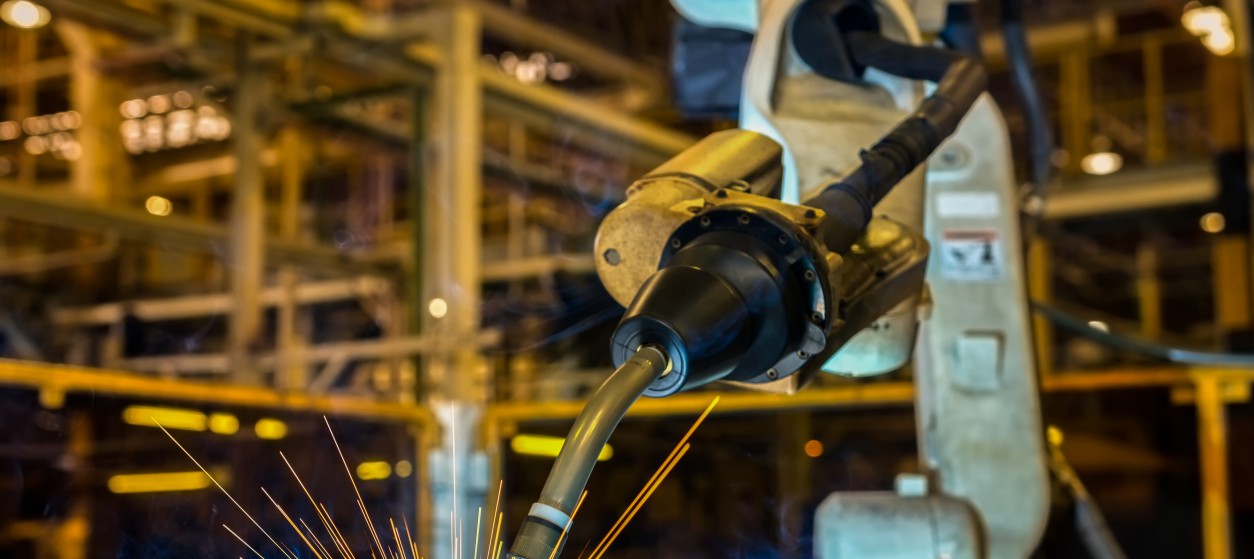
Traditional industrial robots focus on high?speed, repetitive tasks behind safety cages. They typically excel in tasks like automotive welding, painting, or pick?and?place operations. On the other hand, C++ollaborative robots, known as “cobots”, are designed to share space with humans based on built?in safety features, force limits, and intuitive programming that make them accessible even to smaller manufacturers. As a result, cobots are expanding automation from heavy industry into logistics, healthcare, and SMEs. As such they speed up workforce transformation beyond the factory giants.?
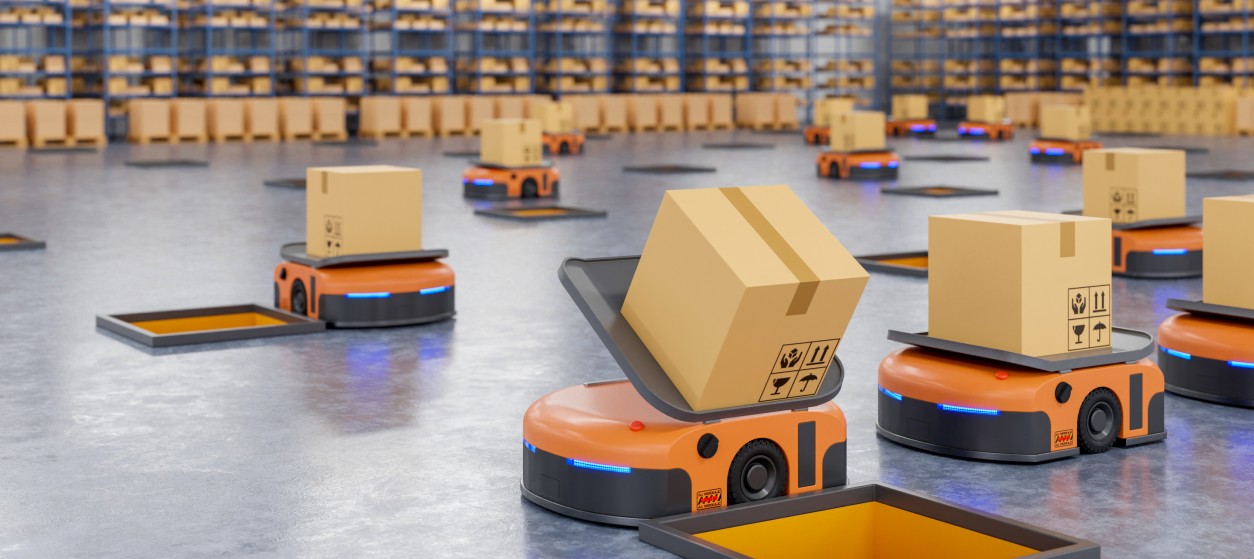
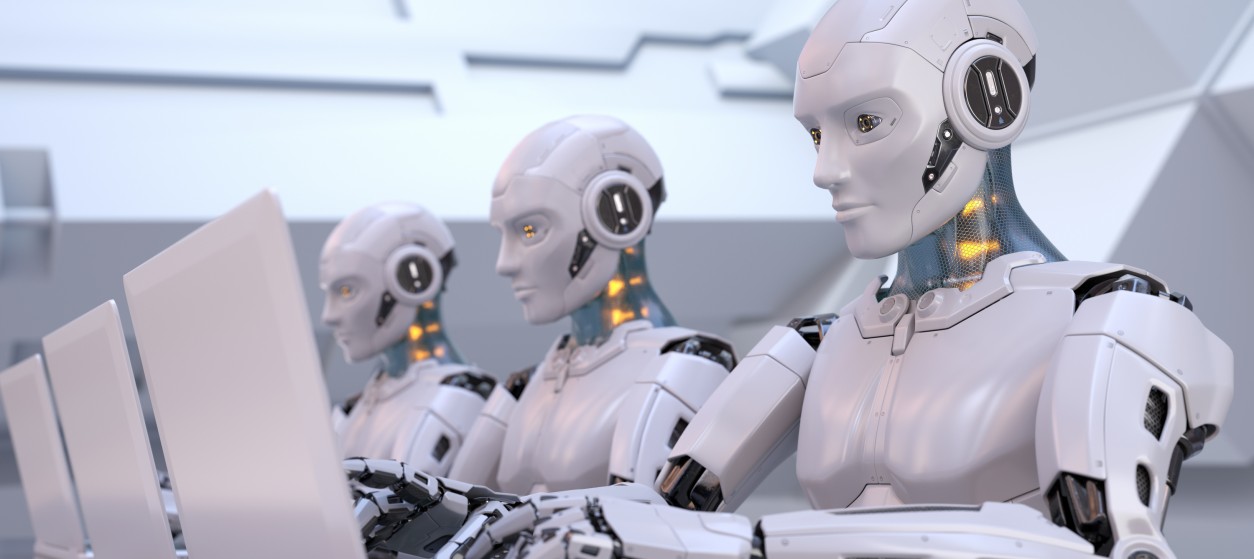
During the last couple of years, we also see humanoid robots moving from labs into real plants and warehouses, particularly in logistics and automotive manufacturing. Specifically, carmakers and logistics providers are piloting humanoids that can navigate lineside environments, carry loads, and operate in spaces built for humans. Hence, they reduce the need for expensive facility redesigns. Their humanlike form factor lets them climb stairs, reach shelves, and operate tools, which makes them ideal “plug?in” helpers for existing workflows rather than requiring new infrastructure.?
Human?Robot Collaboration in Practice
The essence of human?robot collaboration is combining human judgment, creativity, and adaptability with robot strength, precision, and endurance. Several studies in manufacturing show that mixed human?robot teams can cut idle time dramatically versus all?human teams. This is because cobots handle repetitive motions while people focus on decision?making and exception handling. In logistics and warehousing, robots handle heavy, dull, or dangerous tasks while human workers move into orchestrating flows, troubleshooting, and managing customer?facing issues. In these says, human robot collaboration redefines the future of work on the shop floor.?
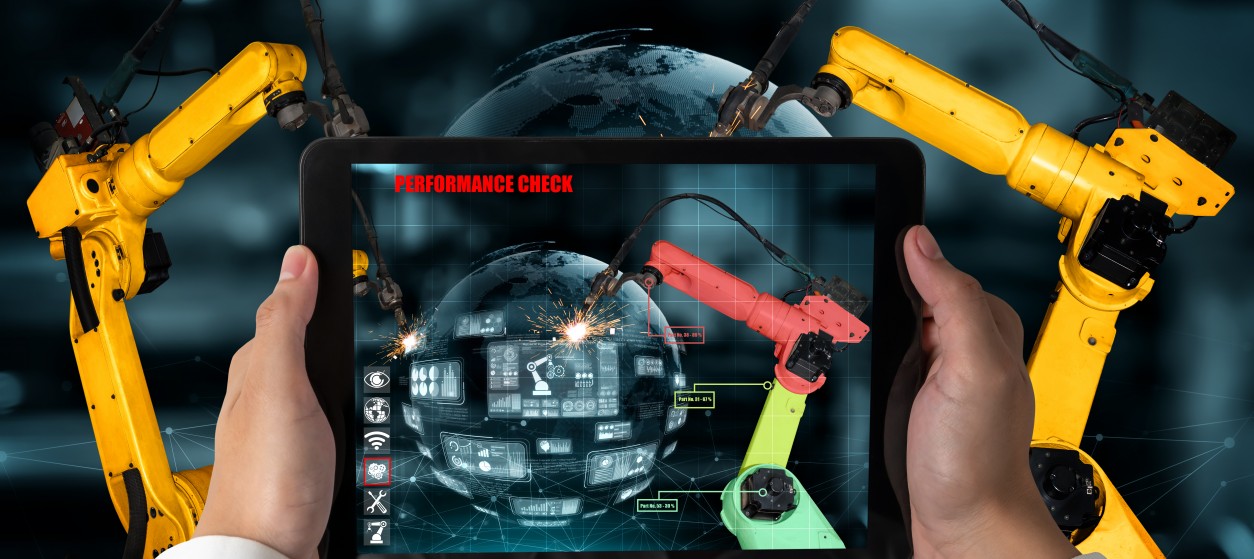
In practice, cobots are explicitly engineered to capture “the best of both” humans and AI?driven machines in several ways.? They use sensors, vision, and AI to adapt to changing conditions, while human colleagues oversee edge cases, quality, and continuous improvement.? Lead?through teaching and no?code interfaces let operators “show” tasks to a cobot, which enables process experts without programming knowledge to encode and deploy their know?how to the robot .? Moreover, safety?rated force control allows close physical proximity, so that workcells can be co?designed around human comfort and robot repeatability. The latter improves ergonomics and performance at the same time.? This tight human?robot collaboration elevates workers into more analytical, supervisory, and creative roles, which will be a core driver of workforce transformation in the years to come.??
The Emergence of Physical AI: Towards a “Physical GPT”
Following the emergence of Generative AI tools like ChatGPT, giant AI vendors are making announcements for a new generation of “physical AI”. This novel form of AI is emerging as Robotics meets foundation models trained on physics, dynamics, and real?world interaction data. Such learning?based dynamics models will let robots predict the effects of contact, deformation, and complex object manipulation from raw sensory data towards going far beyond rigid, preprogrammed motions. Industry reports highlight foundation models that integrate 3D scene understanding with manipulation planning, which will enable robots to infer stable grasps, reason about friction, and adapt in unstructured environments.?
This trend points toward “Physical GPT”, which is powered by embodied foundation models that accept natural?language prompts and translate them into robust physical actions. Instead of hard?coding routines, teams will be able to instruct a robot with commands such as “pick and sort these damaged items, then stage them for inspection,” with the model planning grasps, trajectories, and recovery strategies from experience and physics priors. As with text?based generative AI, these models will continuously improve when exposed to more tasks and environments, which will boost their gradual generalization across tools, materials, and workflows in industrial operations.??
As robots gain intuitive physics understanding and better manipulation skills, they will move deeper into tasks that were historically “too unstructured” to automate. In logistics, humanoids and mobile manipulators are likely to take over variable picking, kitting, and lineside delivery work, while humans will specialize in system design, exception management, and process optimization. In manufacturing and field service, versatile cobots will support rapid changeovers, small?batch production, and on?site inspection, which will enable companies to respond faster to demand while relying on fewer purely manual routines.?
Workforce Transformation and Reskilling
This shift to cobots and physical AI is not a revolution that simply remove jobs. Rather it is a new era that reconfigures roles and skill requirements across the value chain.?? Routine, physically intense roles will shrink and will be replaced by jobs in robot supervision, automation engineering, AI operations, and data?driven continuous improvement.? Frontline workers will need training in basic robot configuration, safety, and data literacy to thrive in human?robot collaboration environments.?? At the same time, organizations that invest early in reskilling and change management will be more likely to see productivity gains, fewer safety incidents, and higher employee engagement, rather than resistance or displacement.?? In this context, the future of work becomes less about humans versus robots, and more about designing integrated teams where humanoids and cobots extend human capabilities.
For business leaders, the rise of humanoids, cobots, and physical AI is an automation opportunity and a strategic workforce challenge at the same time. Companies should begin with clear business cases (e.g., filling labor gaps, improving ergonomics, enabling flexible production) and then layer in cobots and mobile or humanoid platforms that are aligned to those outcomes. In parallel, they must update safety, governance, and upskilling strategies to ensure that human?robot collaboration becomes a core competency instead of a side experiment. In the end, successful enterprises must ensure that human-robot collaboration and workforce transformation supports people as much as productivity.