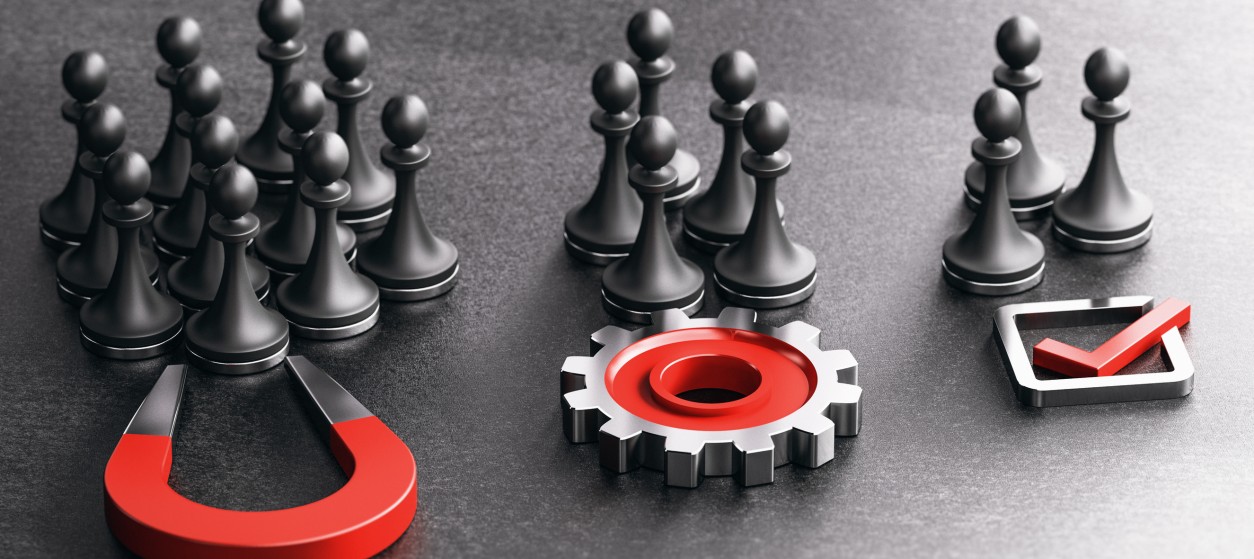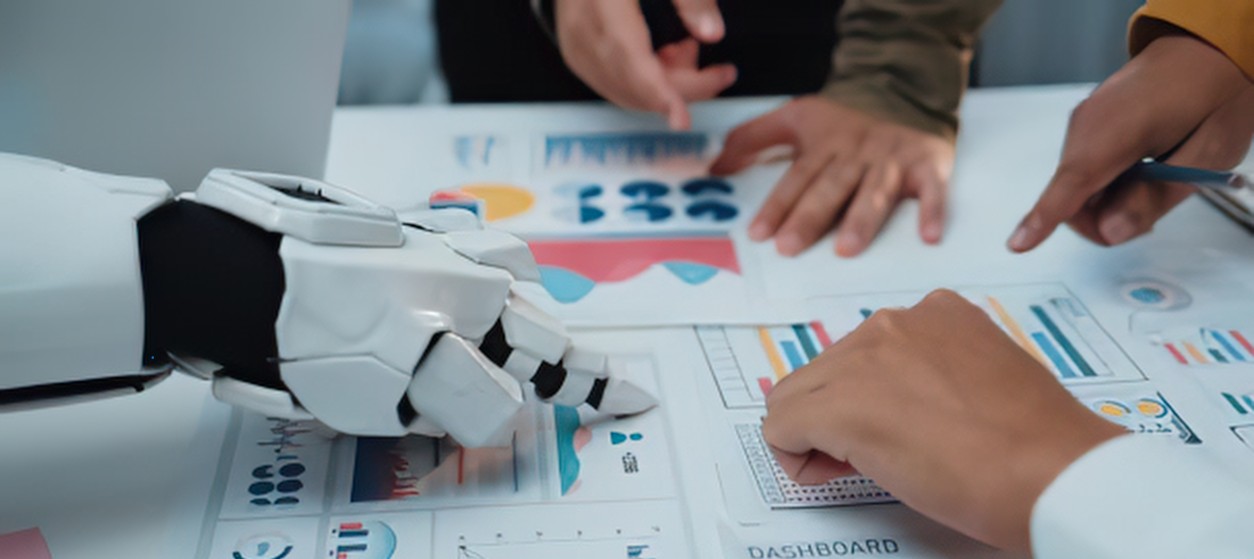
The advent of large language models (LLMs) and AI agents is revolutionizing marketing automation, which has already entered a new era. In this new era, personalization is more scalable and impactful than ever before, which opens new horizons for marketing efficiency. Marketing efficiency has historically depended on how well brands can deliver targeted campaigns and automated customer journeys that resonate personally with each individual. Nowadays, the fusion of advanced AI technologies and user-driven agents allows marketers to tailor messages, channel selections, and timing at an unprecedented scale. Most importantly, state of the art AI and agentic technologies empower users with more control over their personalization experience than ever before.
Scaling Up Personalization with Artificial Intelligence and LLMs
Large language models like GPT4, GPT5 and DeepSeek have revolutionized content generation and customer interaction capabilities. Unlike traditional rule-based marketing automation, such LLM-powered systems can process vast amounts of behavioral analytics as a means of gaining a deep understanding of individual user preferences. This enables highly customized marketing messages that adapt dynamically to the context and persona of each customer. For example, AI can generate personalized email content, craft unique product recommendations, and tailor social media ads to a user. To this end, AI systems consider the user’s past interactions and purchase history, as well as additional attributes (e.g., mood) that can be inferred from the users’ digital behavior.
Most importantly, AI systems and tools enable the automation of such personalization tasks, which enables brands to achieve new levels of marketing efficiency. For instance, targeted campaigns can become more effective as they are refined using real-time data and AI-driven insights across multiple touchpoints. At the same time, there is no need for automated customer journeys that are linear or one-size-fits-all. Rather, AI systems leverage predictive analytics and Generative AI to engage customers in conversations that feel natural and relevant. The latter conversations can greatly boost loyalty and conversion rates.
User Agents: Giving Personalization Power to the People
An exciting evolution in marketing personalization is the rise of user agents. The latter are AI-powered assistants that act on behalf of the user in order to drive the best possible decisions in processes like retail purchases and travel planning. With the upcoming surge in the development, deployment and use of user agents, it will be the first time in history where AI will empower end-users rather than service providers. While today’s online retailers and marketers use AI to influence buying decisions, future personalization will be increasingly based on empowering customers to shape their own experiences through these intelligent agents.
In practice user agents will be able to collect and interpret personal preferences, privacy choices, and usage patterns directly under the user’s control. Moreover, they will negotiate with brands and platforms to filter content, customize offers, and select the channels through which marketing communications arrive. This inversion of power is expected to democratize personalization by making it a collaborative process between consumers and marketers in ways that foster transparency, trust, and relevance. Likewise, user agents are likely to unlock opportunities for new business models and revenue streams. For example, advertisers and marketers may become willing to pay user agents to allow them convey marketing messages and service offerings to the end-users. This is because user agents will by default operation without biases and influence by marketing agencies.
Enhancing Automated Customer Journeys based on Behavioral Analytics
In recent years, behavioral analytics forms the cornerstone of scalable personalization. This is because such analytical functions can continuously analyze how customers interact with products, websites, apps, and communications. AI systems can integrate these insights to automate customer journeys in order to anticipate needs and streamline engagement processes. Instead of generic email blasts, it will be possible for customers to receive personalized nudges that will be perfectly timed accordingly to their purchase intent or interest phases.
For marketers, these automated journeys will reduce manual campaign management and will free resources to focus on creative strategy and complex problem solving. Therefore, the combination of behavioral analytics and AI-powered automation is likely to deliver a virtuous cycle of learning and optimization, which can make campaigns smarter, more targeted and more personalized over time.
Future Directions in Marketing Personalization
It’s always challenging to predict the future of personalization in marketing operations. Nevertheless, we can safely assume that the future of marketing automation and personalization will be defined by the following trends:
- Hyper-Personalization at Scale: Advances in AI, LLMs and agentic systems will enable even finer granularity in personalizing content and offers. At the same time, these systems will incorporate multimodal data such as voice, video, and biometric signals towards creating richer customer profiles.
- Privacy-First AI Models: As users demand greater control over their data, privacy-aware AI models and decentralized data architectures will be leveraged to ensure trustworthy personalization strategies. Effective personalization is certainly desired, yet it cannot be implemented in ways that may compromise the end-users’ privacy.
- Cross-Channel Orchestration: AI technologies will be used to seamlessly coordinate personalization across a growing number of channels (e.g., mobile, social, email, voice assistants) and emerging platforms such as the metaverse. This coordination will end-up providing consistent and contextually relevant customer experiences.
- Collaborative User-Agent Ecosystems: Personalization will thrive in open ecosystems where user agents and brand AI systems interoperate. This interoperability will facilitate the joint curation of personalized marketing activities without compromising user autonomy.
- Predictive and Prescriptive Analytics: The use of AI in marketing will move beyond reactive personalization to proactively predicting consumer needs and prescribing optimal engagement tactics.
Overall, the secret to modern marketing automation’s success lies in combining the extraordinary scaling potential of AI and LLMs with effective behavioral analytics and innovative user-agent models. This paradigm shift will boost marketing efficiency and targeted campaigns, while at the same time transforming personalization into a user-empowered journey. This will make marketing more relevant, respectful, and effective. Marketers who embrace these trends will lead the next wave of customer engagement innovation, which is the reason why you need to care about how AI and LLMs will transform marketing automation and personalization.